
Archeology
Humans know to eat plants from 180,000 years ago
Scientists believe that modern humans began to appear in Africa after genetic changes helped them to adapt to plant foods. This change makes modern humans can leave the…
Browse ScienceInfo articles and explainers related to Genetic Modification.
77 published items.
Scientists believe that modern humans began to appear in Africa after genetic changes helped them to adapt to plant foods. This change makes modern humans can leave the…

The US Aeronautics and Space Agency (NASA) is looking for the genetic modification of astronauts, who will perform the task of exploring Mars.

In September 2012, Séralini, a professor at Caen University, published a conclusive conclusion in the Food and Chemical Toxicology magazine about mice eating GM maize th…

A group of scientists used the CRISPR / Cas9 gene modification technology to produce rice varieties with 25-31% higher yields.
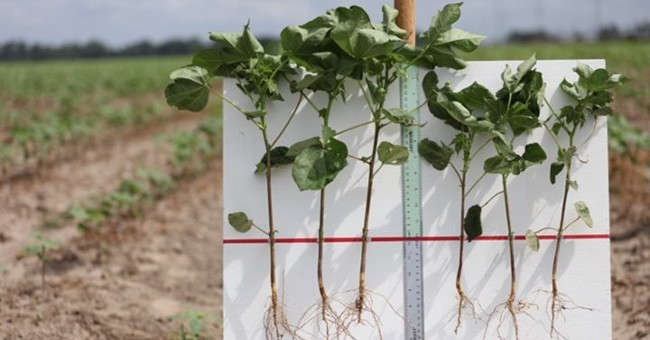
According to Technology Review, the new method of treating cotton seeds has affected beneficial internal bacteria to improve the drought tolerance of cotton.
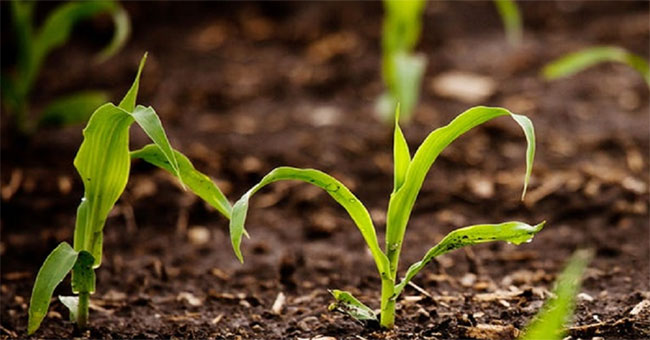
US scientists have studied a simple genetic modification method that helps plants lose 25% less water than normal.
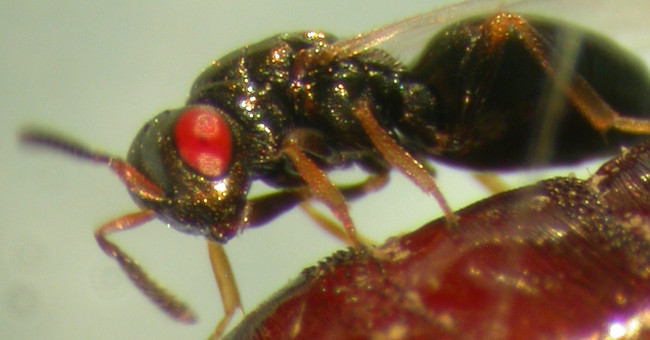
Bees with bloodshot eyes, burning like creatures from hell. But at the same time, they are important proofs of the breakthrough in genetic modification technology of hum…
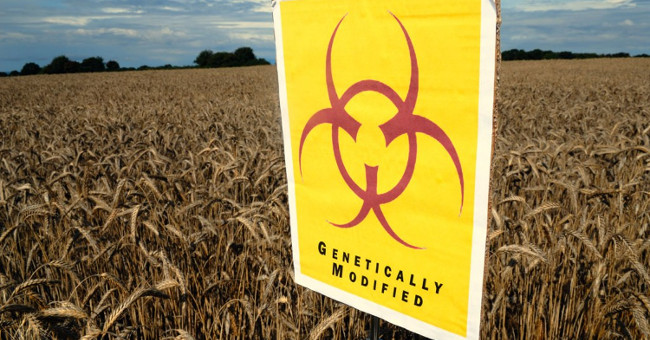
American researchers have found that raising, growing with genetic modification technology is creating super grass and super-pesticide-resistant pests.

There are crazy genetic engineering experiments that seem to have a very realistic purpose: doubling population, reviving corpses, making mosquitoes not carrying malaria…
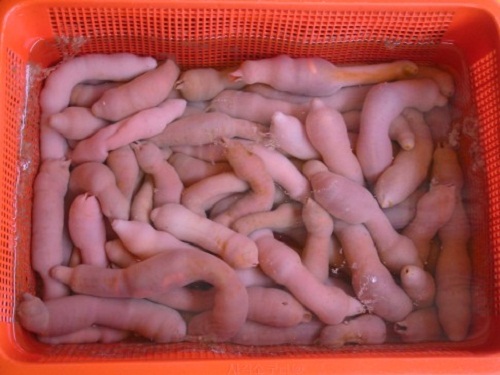
Chinese scientists have successfully studied the method of transforming white sea cucumber genes - Chinese specialties considered to be more expensive than gold-coated k…
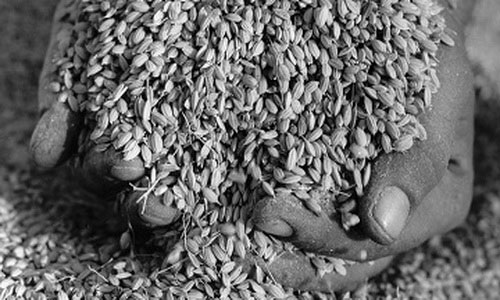
Chinese officials acknowledge that the transgenic rice has been hedged from experimental fields, illegally on the market for many years.

New varieties of tomatoes can grow in barren, alum soil and produce 30% more than regular tomatoes.
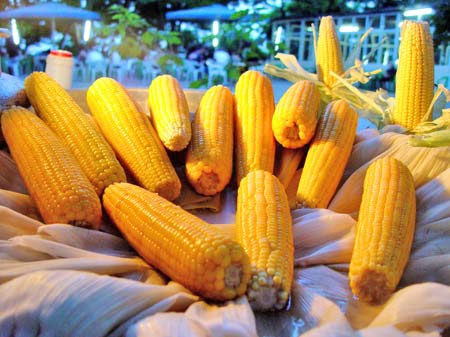
Despite being the second largest rice exporter in the world, 6.7% of Vietnam's population still lacks food. One of the reasons

Scientists at the University of Cambridge (UK) have decoded the

Thanks to genetic modification technology, plants that cause many human health problems can become a source of biofuels for engines.